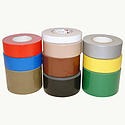
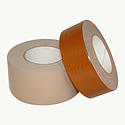
 Scapa has recently discontinued their 142 economy-grade duct tape which our converter had log roll stock in so they were able to offer it in wider widths. They've recently starting stocking log rolls of Polyken GP2280 (available in black, blue, green, olive drab, red, silver, white and yellow) and Nashua 395 (offered in brown and tan) as an alternative. Both tapes are 9 mils thick and are for general or multi-purpose use and they have similar specifications.
a9ea298e-7721-41e6-9069-a7468b0876ae|16|2.5|27604f05-86ad-47ef-9e05-950bb762570c
During Permacel’s move out of Wisconsin to New Jersey they located an unsold jumbo roll of P-99 that was made at the end of 2008 which they re-certified (the certificate of conformance is here and the shelf life is dated through 7/14/2010). The tape is on Nitto cores (Nitto Denko is phasing out the Permacel name now). The entire jumbo was cut to a 1" width and that inventory has now been added to the web site here.
136e4079-8688-4b76-b686-440c0b631679|13|2.2|27604f05-86ad-47ef-9e05-950bb762570c
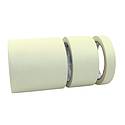 Shurtape has recently introduced a new glow-in-the-dark gaffers tape called P-661. It has the same adhesiveness and clean removability characteristic of Shurtape P-665 gaffers, but gives you the added benefit of being photoluminescent after the tape is activated by an artificial or natural light source. It is also hand tearable just like a traditional gaffers tape. It has numerous uses including, but not limited to basic stage safety marking (e.g. exists and stairs).
6528afe8-a0a2-402f-9c10-1f49a4263a40|10|2.1|27604f05-86ad-47ef-9e05-950bb762570c
While film release liners are great since once you get them started they can be removed very quickly from a roll of tape without the possibility of the liner ripping like a paper release liner may at times do (that's why to cover large areas like a convention center floor the tape needs to come on a film release liner); nonetheless they can sometimes be hard to get started.
The easiest way to remove a release liner is to unwind a section of the tape from the roll and apply that section of tape to the first surface you are bonding to and then let the adhesive set before you try and remove the liner. However, if you need to remove the release liner before the adhesive has set on the first surface here are some tips or guidelines to follow:
- Unwind a short length of tape from the roll.
- Bend a small amount (1/8 to 1/4 inch from the corner) of one of the corners back towards the liner side (so the liner is touching liner) - this will cause the film liner to stretch more than the backing on the tape which will typically result in the liner overhanging the tape by a little bit.
- Then try to drag the tape away from the liner with your thumbnail while using another fingernail to squeeze or pinch the liner in place.
- Once you get enough of the liner removed you will have something to hold on to in order to start pulling the release liner away from the tape.
*** if you have trouble removing the liner with your fingernails you can also try a pair of tweezers, razor blade or utility knife to help separate the release liner from the tape
df91a9a1-9661-46b0-b3b0-fc7ee92e2ea3|20|2.3|27604f05-86ad-47ef-9e05-950bb762570c
ac78c045-3131-4735-abbc-c8c8c91ab040|18|2.7|27604f05-86ad-47ef-9e05-950bb762570c
Tags :
adhesive tape uses ,
adhesive tape ,
duct tape ,
3M ,
JVCC ,
glow-in-the-dark tape ,
gaff ,
Gaffer Tape ,
gaffers tape ,
Shurtape ,
double-sided tape ,
Polyken ,
family ,
craft ,
DIY ,
bi-directional tape
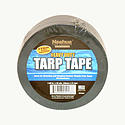
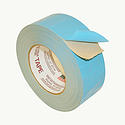 Nashua has recently released two new tarp tapes designed for extended outdoor exposure. Nashua 680004 Heavy Duty Tarp Tape is single-sided black polyethylene film tape which can be used to seal and seam heavy-weight poly tarps. It is designed for 6 to 8 months of outdoor exposure. Nashua 680006 Double-Sided Tarp Tape is a cloth tape with adhesive on both sides which comes on a blue film release liner. It is also used to seam heavy-weight tarps and is suitable for up to 12 months of outdoor exposure. The tapes are available in a 2 inch width and limited inventories of both are now in stock.
5e759085-9325-4d90-b35f-c19cdf55407d|16|2.5|27604f05-86ad-47ef-9e05-950bb762570c
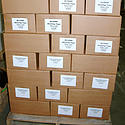 Our converter has recently received in tons of overstock high-temperature masking tape from one of the major manufacturers. They've already cut a bunch of it to 2-inch width and it is now available for sale by the case (18 rolls come in a case) for just $23.22 - see JVCC MT-SALE for information and pricing on the tape. A case of 2-inch high-temperature masking tape typically sells for over $100 per case. They also have log rolls available and pricing for widths from 1/4" up to 8" can be seen by looking at the JVCC MT-02 product. The MT-02 product doesn't have any case requirements and all the listed widths can be purchased in single-roll quantities. Thank you.
c32cc981-b4a3-4359-b8fc-9d01d12ea2f3|12|1.8|27604f05-86ad-47ef-9e05-950bb762570c
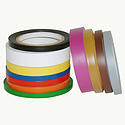 When using tape to mark off gym floors you want to be sure you don't use too aggressive a tape so as to ensure the finish/wax of the gymnasium floor does not come up or is damaged when removing the tape. A vinyl tape such as JVCC V-36 colored vinyl tape or a premium vinyl tape such as JVCC V-36P (if you want the tape to adhere a little longer) would be your two best bets. If you'd rather go with a matte finish tape then a low-adhesion gaffers tape such as Scapa 125 would be another one to look at. Thank you.
****** UPDATE ******
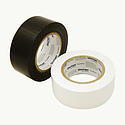 Shurtape PE-100 FloorMate tape is specifically designed for use on wood floors with water-based finishes and ideal for creating temporary lines and boundaries on gym floor courts. This product leaves no residue, is comformable to curves, more durable than paper tapes and available for immediate shipping in black or white colors.
9a0cf369-8de7-40fb-ae47-660dd22c0206|25|2.9|27604f05-86ad-47ef-9e05-950bb762570c
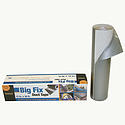 After running out of our stock of Nashua Big Fix Duct Tape Patch rolls last year we've recently received in more of this overstock item from Nashua. This time both 15-foot and 30-foot long rolls are available for purchase. Both 12-inch wide silver lengths come in a retail packed box with a convenient side cutter. The duct tape comes on a fast removing paper release liner. It is typically used for repairing holes in items like plastic sheeting and tarps. Also used for quick fixes for car body damage and around doors and windows.
1d677041-3572-4b5c-847a-d9c4e302e4ec|10|2.3|27604f05-86ad-47ef-9e05-950bb762570c
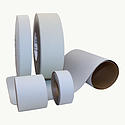 We've sold non-skid tape, cleats and strips for quite some time now, but we've repeatedly been asked for a non-skid surface which could also provide some additional visibility at night. We've recently added Wooster's NiteGlow Flex-Tred tape and cleats which does just that. After being activated by natural or artificial light the tape provides a photoluminescent non-skid surface which is visible to the night-adjusted eye. Use it to provide pedestrian safety and guidance on leading edges of steps, around landings and through hallways and doorways. We've also recently added Wooster's "Caution" Flex-Tred product. It isn't photoluminescent like the NiteGlow tape and cleats; however it does provide a highly visible non-skid warning on any surface where added safety is required.
18716f81-7a0c-4f6a-9379-081fd46c5e54|12|2.2|27604f05-86ad-47ef-9e05-950bb762570c